















Running a small business means wearing many hats, from sales and marketing to product development and customer service. But one hat that’s often worn last, and sometimes not at all, is financial management. That’s where small business accountants come in.
For many entrepreneurs, asking what does an accountant do is the first step toward taking their business finances seriously. From solo founders to growing companies with employees, understanding what an accountant does for a business can improve your financial clarity, decision-making, and compliance. This page will break down the real duties of a small business accountant, how they add value to your company, and when it might be time to hire one or explore smart alternatives like modern accounting software.
Key Takeaways
- An accountant helps set up your financial systems, including entity structure, cash versus accrual method, and a chart of accounts.
- Beyond data entry, accountants read financial statements with you and offer strategic guidance on margins and growth goals.
- On the tax side, they manage quarterly estimates, file sales tax reports, advise on payroll tax liabilities, and help avoid penalties.
- Signs it is time to hire include registering or changing entity type, hiring employees, applying for loans, or spending too much time on finances.
- Tools like GlassJar connect to your bank through Plaid so transactions arrive ready to review, which cuts the hours spent on monthly bookkeeping.
Tasks an Accountant Can Handle for Your Small Business

Most small business owners underestimate the number of responsibilities tied to proper accounting. When handled correctly, these tasks can help a company grow. When neglected, they can lead to cash flow issues, tax penalties, and even legal trouble.
The good news? You don’t always need a full-time hire to handle everything. Many of these tasks can be streamlined with tools like GlassJar, so your accountant spends time on advice, not data entry.
Set Your Business Up for Success
One of the first things a small business accountant does is help you structure your financial systems. This includes setting up your business entity, choosing the right accounting method (cash vs. accrual), and building a chart of accounts that reflects how your business operates.
They also assist with getting accounting software set up correctly. With a platform like GlassJar, new businesses can track expenses, generate invoices, and reconcile accounts right from the beginning, and invite their accountant or bookkeeper in with a free seat.
Provide Financial Guidance
Many small business owners look for advice on how to manage accounting for small business operations. Accountants offer strategic guidance that goes far beyond data entry or filing taxes. They can help you read financial statements, create profit projections, analyze trends, and adjust your pricing or spending based on performance.
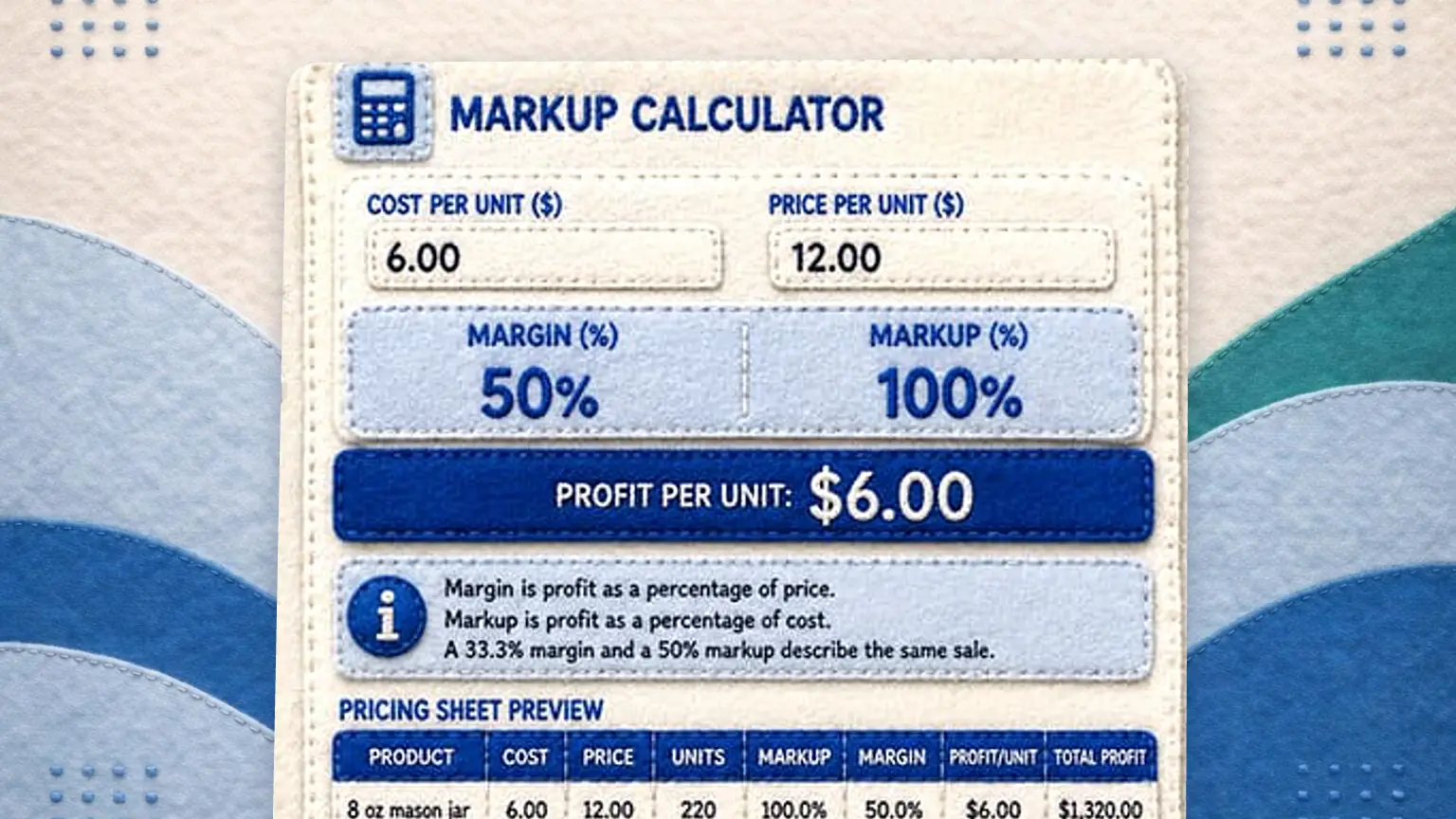
Help with understanding margins and setting realistic growth goals is the kind of advisory work that separates a good accountant from basic bookkeeping.
Stay Up to Date on Tax Laws
Tax codes change frequently. From federal deduction rules to state-specific regulations, staying compliant can be time-consuming and confusing. A small business accountant ensures that your business adheres to the latest tax laws and takes advantage of available credits or deductions.
What does an accountant do in this area? They manage quarterly tax estimates, file sales tax reports, advise on payroll tax liabilities, and help avoid penalties through accurate and timely filings.
Remain Prepared for Audit Compliance
Even if you never get audited, preparing as if you will ensures that your records are always in order. An accountant helps you organize documents, track deductible expenses, and ensure that every financial transaction is properly classified and traceable.
This not only minimizes risk but also gives you confidence when presenting financial information to lenders, investors, or government agencies. Modern accounting tools like GlassJar can reinforce this preparation with a customizable report library and an activity log of every change.
When Should You Consider Hiring a Small Business Accountant
While every business is unique, there are some clear signs that it’s time to bring in professional help. Below are common scenarios where hiring an accountant for small business operations becomes a smart move.
✔ You’re registering your business or changing entity types
✔ You’ve started hiring employees or managing contractors
✔ You’re applying for loans or lines of credit
✔ You’re spending too much time trying to manage finances on your own
✔ You’ve received notices from the IRS or state tax agencies
✔ You’re trying to reduce your overall tax liability
✔ Your books are behind, disorganized, or inaccurate
✔ You’re preparing to sell your business or bring on investors
✔ You’re scaling quickly and need better financial controls
✔ You want a clearer understanding of profitability and forecasting
5 Ways You Can Reduce Costs Related to Accounting
Hiring a full-time accountant or outsourced firm can get expensive. That’s why many small business owners look for alternative ways to manage accounting functions efficiently and affordably.
1. Use Accounting Software to Automate Repetitive Tasks
Instead of keying in every transaction by hand, platforms like GlassJar bring bank activity in through connected bank feeds and let you record invoices, bills, and expenses from a single screen. This reduces the hours needed for bookkeeping each month and helps prevent data entry errors.
2. Outsource Specific Tasks Instead of Hiring Full-Time
If your budget is limited, you don’t need to hire someone full-time. Many business owners choose to outsource just the most complex items, like tax filing or financial analysis, and handle the rest in-house with software.
3. Standardize and Digitize Your Records
Digitizing your receipts, invoices, and vendor payments saves time and cuts down on errors. Using a centralized tool allows for faster retrieval of records and reduces the labor required for audits or tax filings.
4. Review and Eliminate Redundant Tools
Many small businesses use multiple tools for payroll, invoicing, expense tracking, and reporting. Consolidating these into one platform lowers subscription costs and reduces the complexity of managing data across systems.
5. Leverage Built-In Features of Cloud Accounting Systems
In a digital environment, much of an accountant’s work is about optimizing processes. Cloud-based software offers dashboards, real-time data, and smart categorization that make accounting more intuitive, even for non-accountants.
Want to Explore Streamlining Your Accounting Process for Your Small Business?
Small business owners need clarity, control, and confidence when it comes to managing finances. With an accountant, good accounting software, or both, understanding what an accountant does can help you make informed decisions that strengthen your business.
To learn more about how you can reduce costs, stay compliant, and track financial performance with ease, explore GlassJar’s suite of accounting features built specifically for small businesses.
Many small businesses also partner with accounting firms when they need specialized expertise beyond general bookkeeping. These firms often employ professionals with a bachelor’s degree in accounting or finance and staff who have passed the CPA exam, earning the title of certified public accountant.
Some accountants work exclusively in tax, while others serve as a management accountant, helping businesses plan, analyze, and optimize financial operations. For financial strategy or compliance support, working with credentialed experts can bring deeper insight to your business. For growing companies, the added experience and training these professionals bring is often worth the investment.
FAQs About Small Business Accounting
What does an accountant do for a small business?
An accountant tracks income and expenses, prepares taxes, helps with forecasting, ensures compliance, and provides financial advice tailored to your business goals.
Do I need an accountant if I use accounting software?
Software handles much of the day-to-day bookkeeping, but most businesses still benefit from an accountant for tax filing, year-end review, and strategic advice. GlassJar includes a free seat for your CPA or bookkeeper on every plan, so they can work in the same books you do.
What’s an accountant’s role during tax season?
Accountants prepare tax filings, identify eligible deductions, minimize liabilities, and ensure deadlines are met. They also help resolve any tax notices or audits.
Can I handle small business accounting myself?
You can, especially with modern software. However, as your operations grow, it becomes more difficult to manage everything without expert help.
How does accounting software reduce costs?
It automates repetitive tasks, reduces errors, organizes records digitally, and often replaces the need for multiple subscription tools or third-party services.
What are the benefits of using an accountant for a startup?
Startups benefit from accurate business formation, clean books from day one, and guidance on early-stage financing, budgeting, and tax planning.
What’s the difference between a bookkeeper and an accountant?
Bookkeepers handle daily transaction entries. Accountants use that data for financial reporting, forecasting, and strategic analysis.
How do I choose the right accountant for my business?
Look for someone experienced with your industry, familiar with your accounting software, and able to provide strategic input beyond basic compliance.
What accounting reports should I review regularly?
Profit and loss statements, balance sheets, cash flow reports, accounts receivable aging, and expense summaries should be reviewed monthly or quarterly.
Should I use spreadsheets or accounting software?
Spreadsheets work for very simple setups, but they’re prone to errors and lack automation. Software like GlassJar offers more reliability and efficiency.
How often should I reconcile my business bank account?
Most accountants recommend reconciling your accounts monthly. This ensures your records align with your actual cash position and helps detect fraud or accounting errors quickly.
How can an accountant help me save money?
Beyond tax deductions and proper filings, accountants help you avoid fines, eliminate inefficient spending, and improve profitability by identifying wasteful costs or underperforming revenue streams.
What financial documents should a small business maintain?
Key documents include receipts, invoices, bank statements, payroll records, asset purchases, loan agreements, tax returns, and any documentation related to financial obligations.
Can I switch accountants or accounting software mid-year?
Yes. Though it may require some effort, switching mid-year is common. Plan the switch with your accountant and export clean data first so you maintain continuity.
What’s the best way to start learning how to do accounting for a small business?
Start with accounting software that guides you through the basics, like creating invoices, tracking expenses, and generating simple reports. Many platforms also offer tutorials and educational tools designed for small business owners.
How do I keep my accountant costs down while still staying compliant?
Automate wherever possible. Limit the scope of services to complex tasks only. Use software that handles day-to-day functions so your accountant can focus on advisory roles.
What does an accountant do that software can’t?
An accountant applies professional judgment, interprets financial trends, advises on tax strategy, and makes nuanced recommendations tailored to your business goals. These are things software alone cannot do.
Can an accountant help me secure business funding?
Yes. Lenders often require financial statements, tax filings, and revenue projections. Accountants can prepare these documents, increasing your chances of approval and potentially helping you negotiate better terms.
What software features should I look for as a small business?
Look for reliable bank integration, smart categorization of transactions, customizable invoices, real-time dashboards, payroll support, and tax-ready reporting. These are the same tools an accountant would rely on to help manage your business.
How do I know if my accountant is doing a good job?
You should always have access to timely, organized financial reports. Your questions should be answered clearly. A good accountant proactively helps you understand risks, save money, and plan for the future.
Can I do my own taxes as a small business owner?
Many small business owners do, especially in the early stages. However, as your business grows or your situation becomes more complex, relying solely on software without professional oversight may lead to missed opportunities or errors.
What does an accountant do to prevent fraud?
Accountants implement internal controls such as separation of duties, transaction monitoring, and approval processes. They can also identify suspicious activity through regular reconciliations and variance analysis.
Should freelancers and solopreneurs hire an accountant?
If you’re making regular income, issuing invoices, or managing deductible expenses, having either an accountant or accounting software is strongly recommended, even if you’re a solo operator.
What kind of reports does an accountant generate?
Common reports include the profit and loss statement, balance sheet, cash flow report, general ledger, aged payables and receivables, and tax liability summaries. Many of these reports are available in GlassJar’s customizable report library.
What should I ask an accountant before hiring them?
Ask about their experience with your industry, how they communicate, what software they use, how they charge, and whether they offer tax planning or advisory services.